


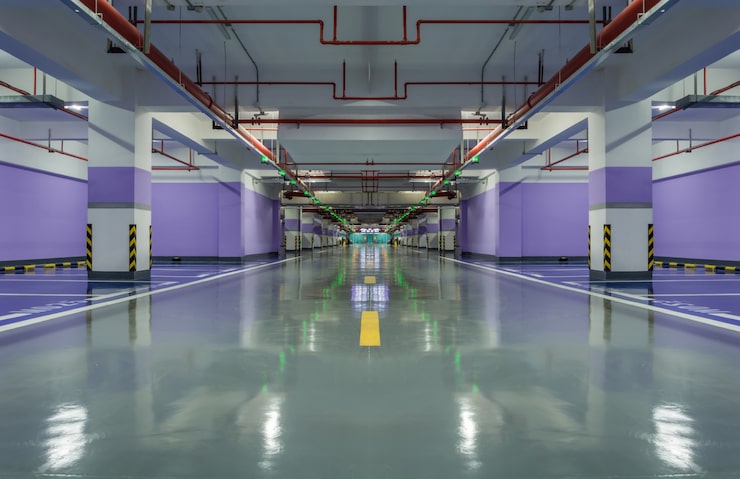
When it comes to industrial and commercial spaces, flooring is more than just a surface—it directly impacts safety, efficiency, and durability. Choosing the right Epoxy Flooring Contractor can make a significant difference in how your facility performs over time. From warehouses to manufacturing units, epoxy flooring provides a seamless, long-lasting solution designed to handle heavy traffic, chemicals, and wear. In this article, we’ll explore why hiring a professional contractor is essential, what benefits epoxy flooring offers, and how it supports your business operations.
What Is Epoxy Flooring and Why Does It Matter
Epoxy flooring is a protective coating system created by combining resin and hardeners to form a rigid, durable surface that bonds strongly to concrete. This results in a smooth, seamless, and non-porous floor that can withstand heavy traffic, machinery, chemical spills, and temperature changes. Unlike traditional flooring options, epoxy flooring reduces dust, improves cleanliness, and enhances the overall appearance of industrial and commercial spaces, making it a practical and long-term investment.
Key Benefits of Hiring a Professional Contractor
Hiring a professional contractor ensures your epoxy flooring is installed correctly and performs as expected for years. Proper surface preparation is a critical step, as it allows the coating to bond effectively with the concrete, preventing issues like peeling or cracking. Experienced contractors use high-quality, industrial-grade materials that offer superior durability and resistance. They also manage the project efficiently, ensuring timely completion with minimal disruption to your operations, while ultimately saving costs by reducing maintenance and extending the lifespan of the floor.
Industrial Applications of Epoxy Flooring
Epoxy flooring is widely used across industries due to its strength, versatility, and reliability. In warehouses, it supports heavy loads and constant movement while improving visibility with its reflective surface. Manufacturing units benefit from its resistance to chemicals, oils, and heat, ensuring durability in demanding conditions. Automotive facilities rely on epoxy floors for their resistance to grease and abrasion, maintaining a clean and safe workspace, while commercial spaces such as retail stores and showrooms use epoxy flooring to combine durability with a modern, polished appearance.
Features That Make Epoxy Flooring Stand Out
Epoxy flooring stands out because of its exceptional durability, chemical resistance, and low maintenance requirements. It can handle heavy machinery and high foot traffic without significant wear, while also resisting damage from acids, oils, and other harsh substances. Safety can be further enhanced with anti-slip coatings, reducing the risk of workplace accidents. Additionally, its seamless surface prevents dirt and bacteria buildup, making cleaning quick and efficient, which is especially important in industrial and commercial environments.
How Epoxy Flooring Supports Business Efficiency
Flooring plays a crucial role in maintaining smooth business operations, as damaged or uneven surfaces can slow productivity and increase risks. By working with experienced Epoxy Flooring Experts, businesses gain a reliable flooring solution that supports daily activities without frequent repairs or interruptions. Epoxy flooring improves workflow by providing a strong, even surface, enhances safety, and reduces downtime, allowing businesses to focus on productivity and growth.
The Installation Process Explained
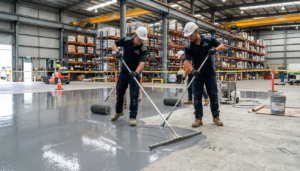
The epoxy flooring installation process involves several essential steps that ensure long-lasting performance. It begins with a detailed inspection and assessment of the existing floor to identify any issues. This is followed by thorough surface preparation, including cleaning and repairing cracks, to create a strong foundation. The epoxy coating is then applied in multiple layers to achieve the desired thickness and durability. Finally, the floor is left to cure properly before a final inspection is conducted, ensuring it is ready for use.
Choosing the Right Contractor for Your Project
Selecting the right contractor is key to achieving high-quality results and avoiding future problems. Businesses should look for contractors with proven experience in industrial and commercial projects, as well as a strong track record of successful installations. Transparent communication is important, as it ensures you stay informed about timelines and progress. Additionally, a reliable contractor uses premium materials, follows industry standards, and offers ongoing support to maintain the performance of your flooring.
Common Mistakes to Avoid
One of the most common mistakes businesses make is choosing the cheapest option or attempting a DIY installation, which often leads to poor results and higher long-term costs. Skipping proper surface preparation or using low-quality materials can cause the flooring to fail prematurely. To avoid these issues, it is essential to invest in a trusted professional contractor who understands the complexities of epoxy flooring and ensures the job is done right the first time.
Conclusion
Epoxy flooring is a reliable and high-performance solution for industrial and commercial environments, offering durability, safety, and efficiency. By choosing a professional epoxy flooring contractor, businesses can ensure a smooth installation process and long-lasting results that support their operations. From warehouses to commercial spaces, epoxy flooring enhances functionality while reducing maintenance and downtime, making it a smart investment for any business.
FAQ
1. How long does epoxy flooring last in industrial settings
With proper installation and maintenance, epoxy flooring can last 10 to 20 years, even in high-traffic industrial environments.
2. Is epoxy flooring suitable for heavy machinery areas
Yes, epoxy flooring is designed to withstand heavy loads, making it ideal for warehouses and manufacturing units.
3. How long does the installation process take
The timeline depends on the project size, but most installations are completed within a few days with minimal disruption to operations.