



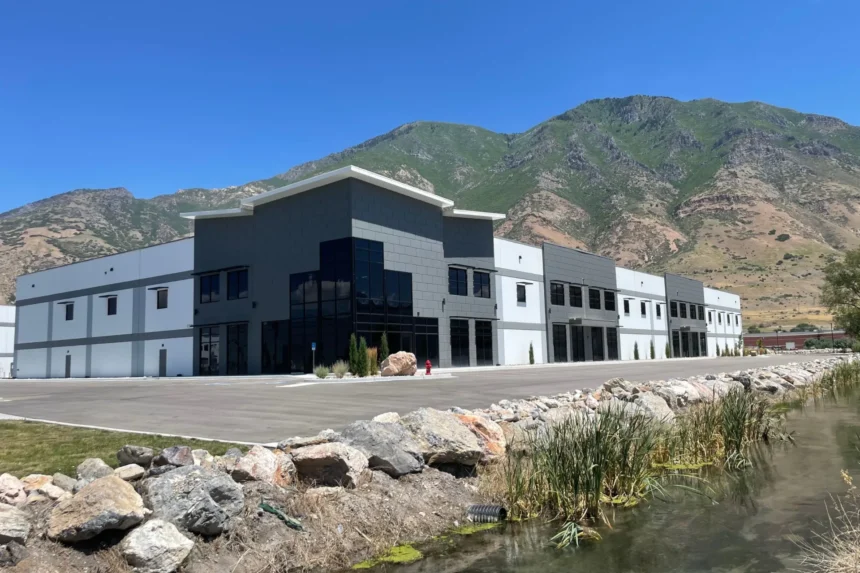
Every building, whether it is a family home, office complex, retail center, or industrial facility, relies on one critical element for long-term success—structural integrity. While attractive architecture often receives the spotlight, the true strength of any structure lies beneath the surface. A well-designed structural system ensures that buildings remain safe, stable, and capable of withstanding everyday loads and environmental challenges.
This is where professional engineering expertise becomes invaluable. Modern construction projects require careful planning, accurate calculations, and compliance with building regulations. Investing in qualified engineering support from the beginning can prevent costly mistakes, construction delays, and future safety concerns.
In today’s rapidly evolving construction industry, property owners, developers, and contractors increasingly depend on experienced engineers to create structures that balance safety, efficiency, and cost-effectiveness.
Structural Engineering Services: The Backbone of Safe Construction
When planning a new construction project or renovating an existing property, professional structural engineering services play a vital role in ensuring the project’s success. These services focus on analyzing, designing, and evaluating the structural components that support a building.
Structural engineers assess factors such as:
- Building loads, material strength, foundation stability, and environmental conditions.
Their expertise helps determine how a structure will perform over time while meeting local building codes and safety requirements.
For example, imagine a commercial property owner planning to add a second floor to an existing building. Without proper structural analysis, the original foundation and support system may not be capable of handling the additional weight. Engineering evaluations help identify necessary reinforcements before construction begins, reducing risk and protecting the investment.
Professional structural design also contributes to:
- Improved safety standards
- Better material efficiency
- Reduced maintenance costs
- Enhanced building longevity
- Compliance with regulations
Whether constructing a residential home or a large industrial facility, engineering guidance ensures every component works together to create a stable and reliable structure.

Benefits of Early Structural Planning
One of the most overlooked aspects of construction is involving structural professionals during the initial planning phase. Many project delays and budget overruns occur because structural considerations are addressed too late.
Early planning allows engineers to identify challenges before they become expensive problems. For instance, soil conditions, load requirements, and site limitations can significantly impact design decisions.
By addressing these factors early, project teams can:
- Avoid unnecessary redesigns
- Improve project timelines
- Reduce material waste
- Increase construction efficiency
This proactive approach often saves substantial time and money throughout the entire project lifecycle.
Pro Tip
Always involve structural professionals before finalizing architectural drawings. Early collaboration between architects and engineers can eliminate design conflicts and create a smoother construction process.
Why Hiring a Certified Structural Engineer Is a Smart Investment
A certified structural engineer brings specialized training, industry knowledge, and professional accountability to a construction project. Their qualifications demonstrate that they have met rigorous educational and professional standards required to design safe and compliant structures.
Unlike general construction consultants, certified engineers possess advanced expertise in structural analysis, material behavior, and load calculations. This knowledge is essential when dealing with complex building designs or challenging site conditions.
Consider a property owner who notices foundation cracks and uneven flooring in an older building. While the issues may appear cosmetic, they could indicate deeper structural concerns. A certified engineer can perform a detailed assessment, identify the root cause, and recommend effective solutions before the damage worsens.
Working with qualified professionals offers several advantages:
- Accurate structural evaluations
- Reliable safety recommendations
- Compliance with building regulations
- Reduced liability risks
- Greater confidence for property owners and investors
Their involvement helps ensure that every structural decision is supported by sound engineering principles rather than assumptions.
How a Certified Structural Engineer Adds Long-Term Value
Beyond ensuring safety, a certified structural engineer contributes significant long-term value to a project. Smart structural design can reduce construction costs while improving building performance over decades of use.
For example, engineers may recommend alternative framing systems or material selections that achieve the same strength requirements while reducing overall project expenses. These efficiencies often translate into lower maintenance costs and better durability.
Additionally, professionally engineered structures tend to perform better during extreme weather events such as high winds, heavy rainfall, or seismic activity. This resilience protects occupants while preserving property value.
Some long-term benefits include:
- Increased building lifespan
- Better return on investment
- Lower repair expenses
- Improved occupant safety
- Stronger market value
As sustainability becomes increasingly important, structural engineers also help incorporate environmentally responsible solutions without compromising safety or performance.
Real-World Example: Engineering Success in Action
Imagine a developer planning a mixed-use commercial building in a rapidly growing urban area. The project requires retail space on the ground floor, office units above, and underground parking.
Without comprehensive engineering analysis, issues such as foundation settlement, load distribution, or structural inefficiencies could arise during construction.
By partnering with experienced engineering professionals from the beginning, the developer gains access to detailed structural calculations, optimized material usage, and proactive risk management strategies. The result is a safer building, a smoother construction process, and reduced long-term operational costs.
This example demonstrates how engineering expertise directly contributes to project success from concept to completion.
Conclusion
Strong buildings begin with strong engineering. Whether developing a new property, expanding an existing structure, or evaluating potential structural concerns, professional guidance is essential for achieving safe and lasting results.
High-quality structural engineering services provide the technical expertise needed to design efficient, code-compliant, and durable structures. At the same time, working with a certified structural engineer ensures that every decision is backed by professional knowledge, industry standards, and proven engineering practices.
Construction projects represent significant investments, and the quality of their structural design directly impacts safety, performance, and long-term value. By prioritizing expert engineering support from the start, property owners and developers can build with greater confidence and create structures designed to stand the test of time.


