

Accessory Dwelling Units, or ADUs, have become a hot topic in residential real estate. With housing shortages and rising property values, homeowners are exploring new ways to maximize their space and income. ADUs offer a flexible, cost-effective solution that adds livable square footage and property value. But what does ADU stand for and how can it benefit you?
Understanding the ADU Concept
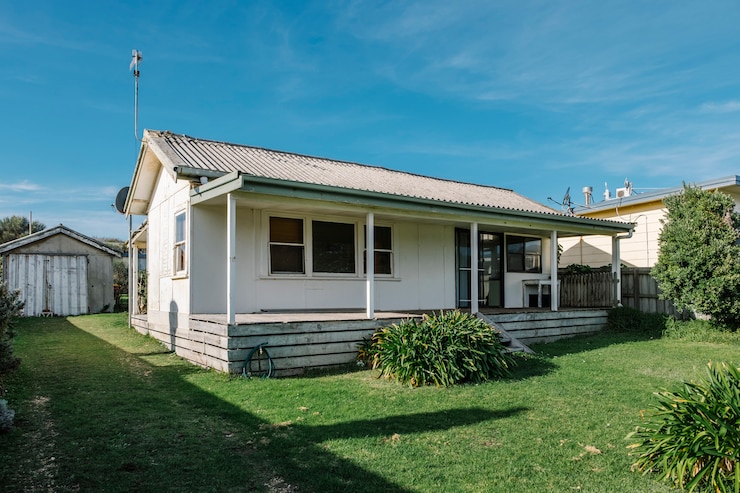
An ADU, short for Accessory Dwelling Unit, is a secondary housing unit located on the same lot as a primary residence. Commonly known as backyard cottages, granny flats, or in-law suites, ADUs are fully independent living spaces. They include a kitchen, bathroom, bedroom, and separate entrance.
ADUs can be built in a variety of forms:
- Detached ADUs: Separate structures located in the backyard
- Attached ADUs: Built as an extension of the main home
- Garage Conversions: Turning an existing garage into a livable unit
- Basement ADUs: Remodeling a basement into an independent suite
These structures cater to diverse needs—whether housing aging parents, providing space for adult children, or creating rental income.
Why Are ADUs Gaining Popularity?
The rising interest in ADUs stems from several factors:
1. Affordable Housing Solution
ADUs provide a more affordable housing option in urban areas. They help address housing shortages without expanding urban sprawl.
2. Rental Income Potential
Homeowners can rent out their ADUs to long-term tenants or as short-term vacation rentals, generating a steady income stream.
3. Multigenerational Living
ADUs are ideal for families who want to live close while maintaining privacy. It’s a practical option for elderly family members or adult children.
4. Property Value Boost
Adding an ADU can increase your property’s value significantly. Buyers often see the potential for extra income or living space.
What Is the ADU House Cost?
When considering building an ADU, cost is one of the most important factors. The ADU house cost varies widely depending on size, location, materials, and whether you’re converting an existing structure or building from scratch.
On average, you can expect the following:
- Garage Conversion: $50,000 – $90,000
- Attached ADU: $100,000 – $200,000
- Detached ADU: $150,000 – $300,000+
While the initial investment may seem high, the long-term benefits in rental income and property appreciation often outweigh the upfront costs.
Key Considerations Before Building an ADU
Before starting your ADU project, here are the essential factors to think about:
1. Zoning Laws and Permits
Every city has specific regulations regarding ADU construction. These include size limits, setbacks, parking requirements, and more. Always consult your local planning department before moving forward.
2. Design and Functionality
Think about who will live in the ADU and design accordingly. A unit for aging parents might require accessibility features like ramps or wider doorways.
3. Utilities and Infrastructure
Adding a second unit requires planning for water, sewer, and electricity. Determine whether your current systems can handle the extra demand or if upgrades are needed.
4. Contractors and Costs
Hire licensed professionals who are experienced in building ADUs. Get multiple quotes and check references to ensure you’re working with qualified contractors.
Final Thoughts: Is an ADU Right for You?
ADUs offer a smart, flexible way to expand your living space or generate extra income. Whether you want to house a loved one, work from home, or rent to tenants, an ADU can deliver lasting value.
By understanding the design options, costs, and legal considerations, you’ll be better equipped to decide if building an ADU is the right move. With careful planning, your investment can pay off for years to come.