


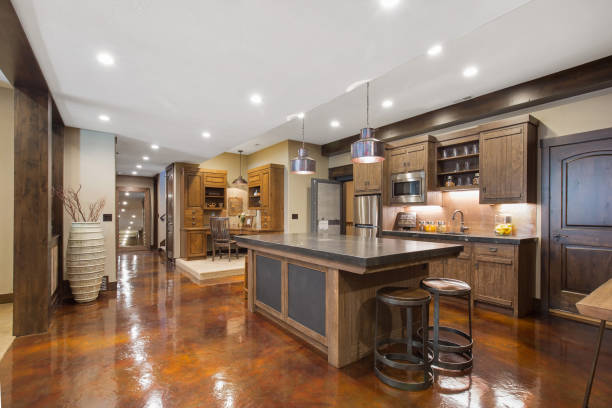
Modern kitchens are evolving beyond traditional tiles and hardwood, with homeowners seeking surfaces that combine style, durability, and hygiene. One flooring option gaining attention is epoxy. Known for its seamless finish and glossy appeal, epoxy flooring is no longer limited to industrial spaces. But the question remains, is it truly safe and practical for residential kitchens?
In this blog, we will break down the safety, benefits, and considerations of epoxy kitchen flooring to help you make an informed decision.
Is Epoxy Kitchen Flooring Safe For Residential Kitchens?
Epoxy flooring is considered safe for residential kitchens when installed correctly and maintained properly. It forms a non-porous, sealed surface that resists moisture, bacteria, and stains, making it ideal for areas where hygiene is critical.
One of the key safety advantages is its resistance to spills. Kitchens are prone to oil splashes, water spills, and food stains. Epoxy flooring prevents these substances from seeping into the surface, reducing the risk of mold and bacterial growth.
Additionally, modern epoxy coatings can be customized with anti-slip additives. This feature is particularly important in homes with children or elderly family members. Instead of becoming dangerously slick, the surface can offer a controlled grip.
For example, in a busy family kitchen where cooking happens multiple times a day, epoxy flooring ensures easy cleaning while maintaining a safe walking surface.
Key Benefits That Make Epoxy Flooring Stand Out
Epoxy flooring is not just about safety. It also delivers a combination of aesthetics and functionality that many homeowners appreciate.
-
It offers seamless installation, eliminating grout lines where dirt can accumulate
Beyond this, epoxy is highly durable. It can withstand heavy foot traffic, dropped utensils, and even the occasional impact from kitchen appliances. Unlike tiles, it does not crack easily, and unlike wood, it does not warp due to moisture.
Another advantage is its visual appeal. Epoxy can mimic marble, granite, or even artistic patterns, allowing homeowners to design a kitchen that feels both modern and unique.
Safety Considerations For Epoxy Kitchen Flooring
While epoxy flooring is generally safe, there are a few important factors to consider before installation.
First, proper curing is essential. During installation, epoxy releases fumes that can be harmful if inhaled in enclosed spaces. However, once fully cured, it becomes non-toxic and safe for everyday use.
Second, surface preparation plays a major role. If the base is not properly cleaned or leveled, the epoxy layer may not adhere correctly, which can affect durability and safety.
For instance, a poorly installed epoxy floor may develop bubbles or uneven textures, increasing the risk of tripping.
Is Epoxy Kitchen Flooring Safe For Residential Kitchens In Daily Use?
Yes, epoxy flooring proves to be safe in everyday kitchen activities when combined with thoughtful usage. Its heat resistance allows it to handle moderate exposure from hot cookware, although using protective mats is still recommended.
Another important aspect is maintenance. Epoxy floors are easy to clean with simple mopping and mild detergents. This reduces the buildup of harmful bacteria, making the kitchen environment healthier.
Pro tip: Add a matte or textured finish instead of a high-gloss coating if you prioritize slip resistance over shine.
In real-life scenarios, homeowners who switch to epoxy often report fewer cleaning hassles and a more polished kitchen look.
Conclusion
Epoxy kitchen flooring offers a compelling blend of safety, durability, and modern design. When installed professionally and maintained with care, it becomes a reliable option for residential kitchens. Its resistance to moisture, ease of cleaning, and customizable textures make it both practical and visually appealing.
However, like any flooring choice, its performance depends on proper installation and thoughtful use. By understanding its strengths and limitations, homeowners can confidently decide whether epoxy is the right fit for their kitchen space.


