


In today’s fast-paced world, the demand for efficient, durable, and sustainable building materials is higher than ever. Whether it’s for commercial warehouses, industrial facilities, or even residential homes, insulated steel panels have become a top choice for architects, builders, and property owners. These panels combine strength with energy efficiency, offering a versatile solution that saves money and supports environmental goals. In this article, we’ll explore what makes insulated steel panels so popular, their benefits, and why they are shaping the future of construction.
What Are Insulated Steel Panels?
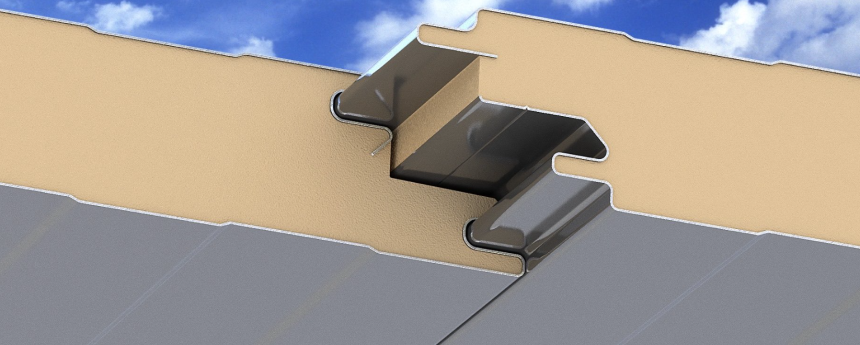
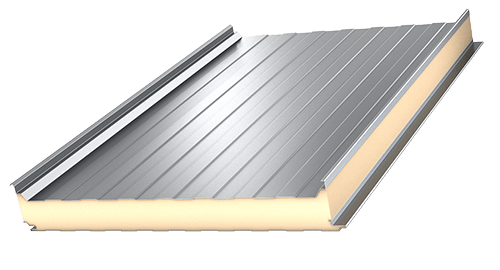
Insulated steel panels are composite building materials consisting of two layers of steel with a core insulation material sandwiched between them. This design provides excellent thermal resistance, structural integrity, and weatherproofing. These panels are widely used in walls and roofing applications due to their lightweight nature and ease of installation.
The core insulation can be made from different materials such as polyurethane, polyisocyanurate, or expanded polystyrene, each offering varying levels of thermal performance. The steel surfaces are usually coated with protective finishes to resist corrosion, UV rays, and other environmental factors.
Key Benefits of Using Insulated Steel Panels
1. Energy Efficiency
One of the main advantages of insulated steel panels is their outstanding thermal insulation properties. They help maintain indoor temperatures by reducing heat transfer, which significantly lowers heating and cooling costs. Buildings constructed with these panels often achieve higher energy efficiency ratings and can contribute to LEED certification.
2. Durability and Strength
Steel is known for its high strength-to-weight ratio, making these panels extremely durable and resistant to damage from impact, weather, and pests. Unlike traditional wood or concrete materials, insulated steel panels won’t warp, rot, or crack over time. This longevity translates into reduced maintenance costs.
3. Speedy Installation
Insulated steel panels are manufactured in large, pre-finished sections that can be quickly assembled on-site. This reduces construction time compared to conventional methods, allowing projects to finish sooner and save on labor expenses. The panels’ lightweight design also simplifies transportation and handling.
4. Versatility
These panels can be customized to suit various architectural designs and functional requirements. They come in different thicknesses, colors, and finishes, making them suitable for commercial, industrial, agricultural, and residential buildings. They can be used for walls, roofs, cold storage facilities, and even clean rooms.
Real-World Applications and Examples
Insulated steel panels are widely used across industries. For instance, food processing plants and cold storage warehouses rely heavily on these panels to maintain consistent temperatures and ensure food safety. Their excellent insulation prevents condensation, which helps maintain hygiene standards.
In commercial construction, retail stores and office buildings use insulated panels to create energy-efficient envelopes that reduce utility bills and improve occupant comfort. Some schools and healthcare facilities also adopt these panels due to their fire-resistant properties and ease of cleaning.
A notable trend is the rise of insulated metal panel buildings, which integrate these panels into entire structural systems. These buildings offer superior performance while maintaining sleek and modern aesthetics, making them popular for new constructions and retrofits alike.
Insulated Metal Panel Buildings: The Next Step in Construction Innovation
Insulated metal panel buildings take the concept of insulated steel panels further by using them as the primary building envelope, combining structure and insulation into one system. This approach offers several advantages:
- Enhanced thermal performance: Continuous insulation minimizes thermal bridging, leading to even better energy savings.
- Faster project completion: The panels serve as both structure and enclosure, simplifying design and construction phases.
- Improved sustainability: Reduced material waste and better energy efficiency help lower the building’s carbon footprint.
- Design flexibility: Architects can experiment with various panel profiles, colors, and finishes to meet aesthetic goals.
Manufacturers often provide turnkey solutions, which include custom panels, fastening systems, and technical support, making it easier for builders to adopt this modern construction method.
Summary and Final Thoughts
Insulated steel panels are transforming how buildings are designed and constructed. Their combination of energy efficiency, durability, ease of installation, and versatility makes them a smart choice for a wide range of applications. The rise of insulated metal panel buildings further showcases how these materials can streamline construction while delivering superior performance.
From reducing operational costs to supporting green building initiatives, insulated steel panels offer tangible benefits that meet the demands of today’s market. As construction trends continue toward sustainability and efficiency, these panels will undoubtedly play a critical role in shaping the future of building design.

